Nagomi Embroidery Font: Precision for PES Projects
Elevating an embroidery project often comes down to the subtle details of typography. The Nagomi embroidery font is designed specifically to address the technical and aesthetic challenges that machine embroiderers face when adding text to fabric. Crafted with precision and creativity in mind, this typeface moves beyond standard digitized letters to offer a solution that balances visual elegance with stitch reliability. For creators working with the widely used PES file format, Nagomi provides a seamless integration that reduces setup time and minimizes production errors. Whether you are marking linens for a client or personalizing a gift, understanding the practical application of this font can significantly improve your final results.
Technical Reliability in PES Format Integration
One of the primary friction points in machine embroidery is file compatibility and stitch integrity. Nagomi offers a versatile array of characters and styles that have been digitized to maintain structural stability across different hoop sizes. Because it seamlessly integrates with the PES format, users can avoid the common issues associated with converting generic fonts into embroidery files, such as lost connections or uneven density. This reliability is crucial for maintaining workflow efficiency.
For professionals running a custom apparel business, this consistency translates directly to reduced waste. When a font is optimized for the machine rather than just the screen, the risk of thread breaks, puckering, or misalignment decreases. Nagomi allows you to bring your embroidery visions to life without spending hours manually adjusting stitch paths after importing a design. The font serves as a trusted foundation, ensuring that the time spent at the machine is productive rather than corrective.
Aesthetic Versatility for Diverse Applications
The visual character of Nagomi makes it suitable for a wide demographic, from adult hobbyists creating heirloom pieces to entrepreneurs branding merchandise. The design strikes a balance between traditional craftsmanship and modern readability. Unlike blocky utility fonts or overly ornate scripts that can become illegible on textured fabrics, Nagomi maintains clarity while adding a touch of sophistication. This versatility supports better communication through stitched text, ensuring the message is as clear as the medium allows.
- Personalization: Ideal for monograms on towels, robes, and baby blankets where a soft yet distinct look is required.
- Branding: Suitable for small business logos or tags where legibility at smaller sizes is critical.
- Decorative Text: Works well for quotes or dates on quilts and wall hangings without overwhelming the background fabric.
By choosing a font that adapts well to various contexts, makers can simplify decision-making. Instead of testing multiple typefaces for every new project, having a reliable go-to option like Nagomi streamlines the creative process. It enhances creations by providing a consistent stylistic thread across different works, which is particularly valuable for those building a portfolio or a cohesive product line.
Understanding Sizing and Stitch Density Data
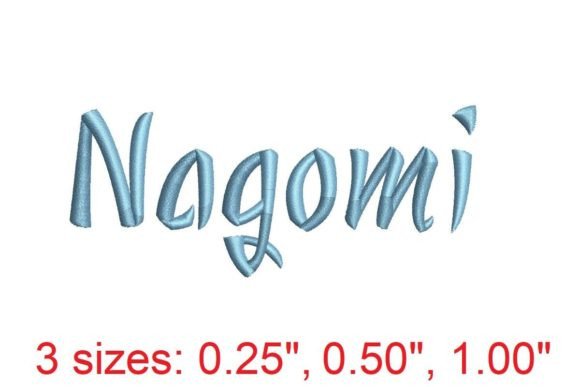
Successful embroidery requires accurate planning, and understanding the specific dimensions of your chosen font is essential. Please note that the sizes and stitches information typically displayed with this download is for "A" and "a" in each size only. This data serves as a summary of what is available in the download file and acts as a baseline for estimating thread usage and hoop requirements. However, letter widths and stitch counts vary significantly across the alphabet. A capital "W" will naturally require more space and thread than an "I," and relying solely on the sample "A" can lead to sizing miscalculations.
For full dimension details of the letters in this set, users should click on the More Sewing Info PDF button on the product page. Consulting this comprehensive guide before starting a project helps prevent fit issues, especially when working within confined spaces like shirt cuffs or pocket areas. This level of preparation supports goal achievement by ensuring the design fits the intended space perfectly on the first run. Experienced embroiderers know that referencing detailed spec sheets is a best practice that saves both material and time.
Cross-Machine Compatibility and Workflow Efficiency
This machine embroidery design comes with multiple embroidery file formats and can be used with multiple embroidery machines. While the PES format is highlighted for its popularity, the inclusion of additional formats ensures that the font remains accessible regardless of the equipment in your studio. This cross-compatibility is a significant benefit for educators, freelancers, and small business owners who may upgrade their machines over time or work in shared maker spaces with varying hardware.
Having access to native files for different machine brands preserves the original stitch architecture. Converting files between formats can sometimes alter pull compensation or underlay settings, leading to unpredictable results. By utilizing the native format provided in the Nagomi package, users maintain the designer's original intent. This technical fidelity elevates your embroidery game by ensuring that the quality remains high whether you are stitching on a single-needle home machine or a multi-needle commercial unit.
Practical Considerations and Limitations
While Nagomi is crafted with precision, no single font solves every embroidery challenge. It is important to assess fabric compatibility before committing to a design. On highly elastic knits or thick pile fabrics like terry cloth, even well-digitized fonts may require additional stabilizer or topping to achieve the crisp appearance Nagomi is known for. Users should always perform a test stitch-out on a scrap of the actual project fabric to verify that the stitch density interacts correctly with the material weight.
Additionally, while the font offers a versatile array of characters, specialized symbols or non-standard glyphs may not be included. If a project requires unique punctuation or accented characters outside the standard set, users may need to supplement with other designs or edit existing ones. Recognizing these boundaries helps manage expectations and ensures that Nagomi is applied in situations where it truly shines. Comparing options is always recommended when working on complex typographic layouts, but for standard alphanumeric customization, Nagomi provides a robust and reliable solution.
Enhancing Professional Presentation and Value
Ultimately, the choice of typography influences the perceived value of an embroidered item. Clean, well-executed lettering signals professionalism and care. Nagomi contributes to this elevated presentation by eliminating the jagged edges and registration issues common in lower-quality digitizations. For marketers and publishers creating promotional textiles, this attention to detail reinforces brand quality. For hobbyists and educators, it demonstrates a commitment to the craft.
Experience the perfect blend of style and functionality by integrating this font into your digital library. It solves the problem of unreliable text digitization while offering enough aesthetic flexibility to remain relevant across seasons and trends. By focusing on practical outcomes—reduced errors, consistent aesthetics, and efficient workflows—Nagomi proves itself to be more than just a decorative element. It is a functional tool that supports the broader goals of anyone dedicated to the art of machine embroidery.